Dawn Apart Defense & It’ak Night Raids
Hold Sirius B3 after dark — fortify Magpie approaches, keep lights powered, and stop raids from gutting your factory.
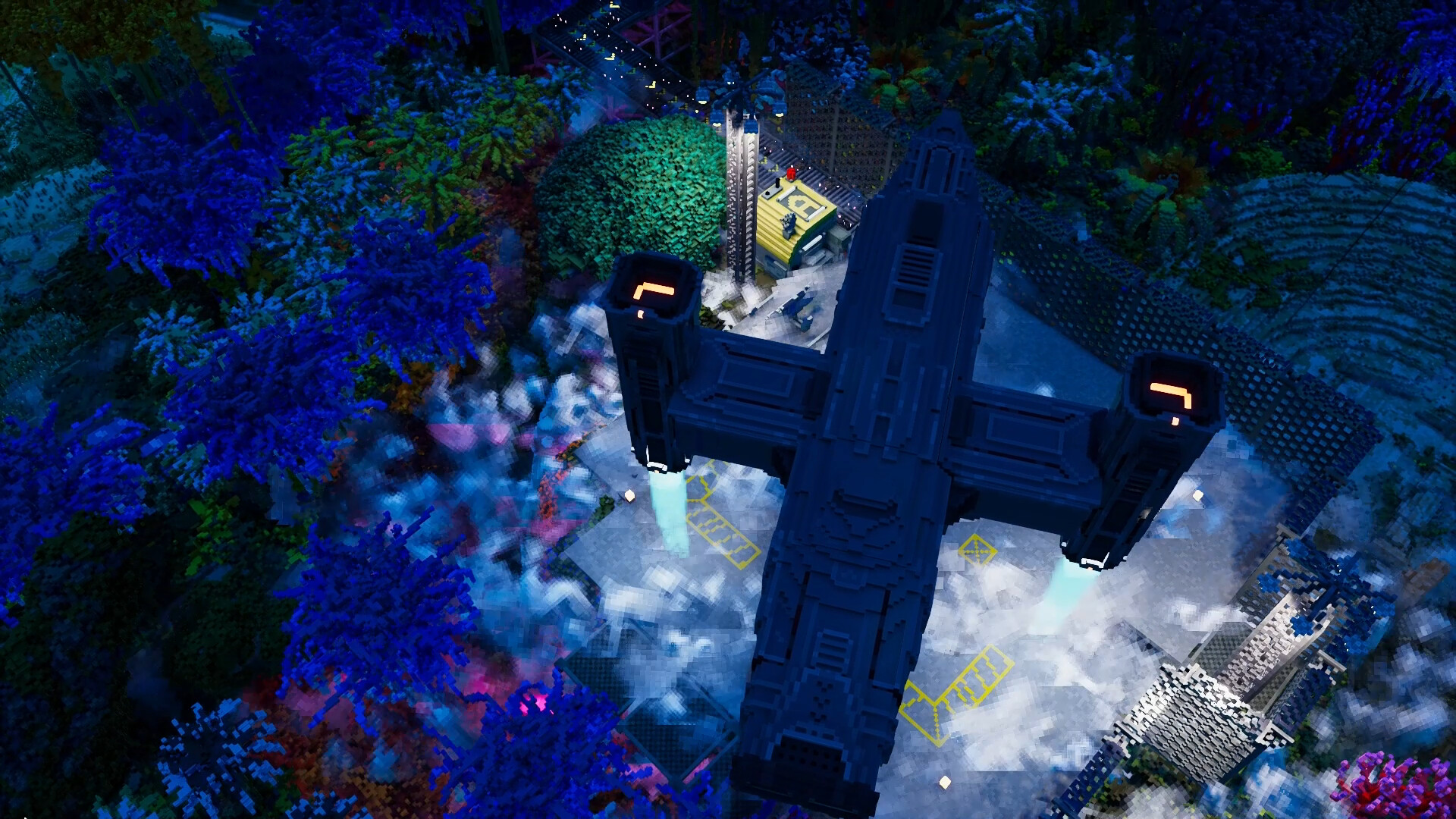
It’ak night raids are the pressure valve of Dawn Apart. From night two onward, hostile forces test whatever holes you left in the Magpie’s perimeter while your drills and furnaces try to keep corporate Lucrum quotas alive. This guide covers defensive geometry on a fully destructible voxel map, power priorities during attacks, lighting, and how defense intersects with the optional Rebel path that allies with It’ak interests — without spoiling every story beat.
New colonies should finish Getting Started and stabilize power and Soylent before reading deep into advanced kill zones. Factory openings and quarry tunnels are the usual raid highways — coordinate with Automation & Factory. Allegiance consequences live in Corp vs Rebel.
Core defense rules
- Raids begin night two — Treat night one as your last free rehearsal. Lights, a sealed approach, and food stocks must exist before night two.
- One intentional entrance — Destructible terrain means every decorative gap is a door. Close unfinished tunnels or fortify them on purpose.
- Lights are part of DPS — Dark approaches hide threats and slow your response. Power lights from a circuit that still runs when industrial load spikes.
- Power reserve beats max drills — Accumulators and steam engines keep defenses online when solar drops. A blackout during a raid is a wipe condition.
- Defend the pad and the people — Spaceport and sleeping wings matter as much as ore chests. Losing colonists stalls every other guide’s advice.
Magpie perimeter design
Start from the Magpie hull and build a compact courtyard or corridor that funnels attackers past your strongest firepower. Use voxel walls to create chokepoints two to three tiles wide — wide enough for your logistics, narrow enough to focus damage. Place utility poles and light fixtures along that corridor so you never fight blind.
Avoid “pretty open plazas” early. Hotdry days feel safe; nights punish vanity. If you need outdoor drill yards, wall them separately and accept that those yards may be sacrificed while the Magpie core holds.
Layered zones
- Outer scrap zone — Optional expendable fencing or terrain scars that slow approaches without critical machines.
- Kill corridor — Lit, powered, with overlapping coverage and a clear fallback gate.
- Core — Magpie, Soylent Maker, primary furnace bay, accumulators, and sleeping rooms.
- Logistics spur — Belts that do not pierce the kill corridor as a bypass. If a belt trench must exit, gate it.
Power and food during raids
Raid nights are stress tests for the grid. Follow the budgets in Power & Food Grid:
- Keep accumulators charged before dusk.
- Prefer steam (coal/coke/wood) as night backbone; solar is day income.
- Shed nonessential draw — idle deep drills if defenses flicker.
- Stock Soylent so a lockdown hour does not starve workers mid-fight.
Room systems still apply. A breached wall can vent temperature, light, and air. After each raid, walk the perimeter and reseal before you resume mining Lucrum.
Quarries, C4, and self-owns
The same C4 and dig tools that enable factory terraforming also create raid ramps into your base. After every major blast or shaft:
- Check for new sightlines into the core.
- Add doors or collapse unused spurs.
- Relight extended tunnels.
- Update your mental map of “where enemies can enter.”
If It’ak fighters appear behind your turret line, you probably dug that path yourself.
Escalation and rebuild loops
Early raids teach geometry. Later nights punish complacency as your Lucrum operation and spaceport grow. Expand defenses in the same modular style as factories: add a new fortified wing when you open a new ore field, not three nights later.
When a raid damages machines:
- Restore power and lights.
- Reseal rooms.
- Repair or recycle wreckage via the Recycler.
- Restock Soylent.
- Only then reopen external dig sites.
Skipping straight back to Lucrum quotas is how wipe spirals start.
Defense vs story path
Kobayashi-Schwarz expects you to hold the colony and ship Lucrum. The Rebel / It’ak alliance path reframes some hostilities and missions — see Corp vs Rebel before you assume every night is pure tower defense forever. Regardless of allegiance, physical security of rooms and power remains relevant; ideology does not refill accumulators.
Synergy with the rest of the wiki
- Tier list — which defensive and utility builds to prioritize early.
- Players — faction-facing cast context.
- Updates / Final Frontier — balance changes that affect raid pressure.
- Controls — quick build/repair hotkeys during chaotic nights.
- System requirements — performance when particles, lights, and voxel debris spike.
Pre-night checklist
- Accumulators topped; steam fueled.
- Kill corridor lights on.
- Extra Soylent crafted.
- External belt trenches gated.
- Spaceport approach not wide open.
- Colonists not stranded in unlit shafts.
- Fallback door to Magpie core tested.
Survive night two cleanly once, then treat every factory expansion as a defense ticket that must be paid. Dawn Apart’s best factories are the ones that still exist at dawn.
Frequently Asked Questions
Quick answers for Sirius B3 prospectors.
From which night do It’ak raids start?
Night two. Use night one to finish lights, a sealed chokepoint, Soylent stocks, and power reserve.
Why do enemies appear behind my defenses?
Usually through quarry tunnels, C4 breaches, or belt trenches you opened. Destructible voxels make every hole a door — reseal or fortify them.
Should defenses share power with drills?
They can share a grid, but keep accumulator/steam headroom. Shed drill load if lights or defenses brown out mid-raid.
Does choosing the Rebel path remove all raids?
No. Allegiance changes story and mission framing, but you still need secure rooms and powered infrastructure. Read Corp vs Rebel for path trade-offs.